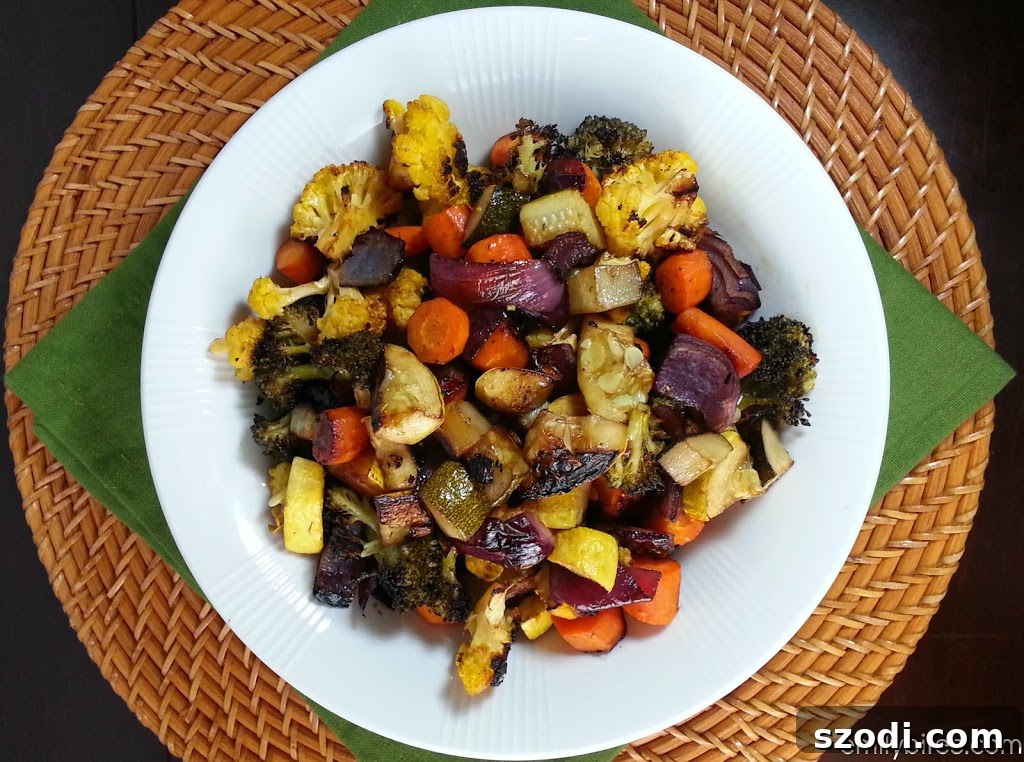
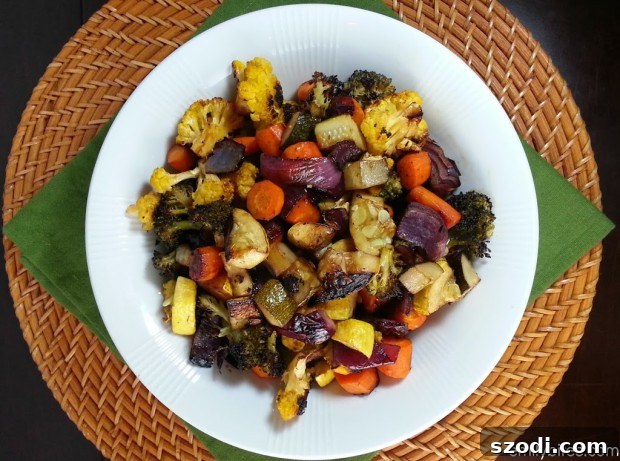
Balsamic Roasted Vegetables: Your Go-To Healthy and Flavorful Side Dish
There’s an undeniable magic that happens when fresh vegetables meet the high heat of an oven. Roasting is, without a doubt, one of the most effective and delicious ways to coax out and concentrate the natural sweetness and complex flavors hidden within your favorite produce. It transforms humble ingredients into a tray of warm, tender, and beautifully caramelized deliciousness. For many, including myself, it’s not just a cooking method; it’s the absolute best way to enjoy vegetables.
The beauty of oven roasting lies in its simplicity. All you truly need is a sturdy baking sheet, a hot oven, a drizzle of good quality olive oil, and a sprinkle of seasoning. But when you introduce the rich, tangy-sweet notes of balsamic vinegar, you elevate this simple technique into something extraordinary. Balsamic vinegar perfectly complements the intensified sweetness that roasting brings out in vegetables, adding a layer of sophisticated flavor that makes every bite memorable.
While this recipe features a vibrant medley of my personal favorite vegetables, chosen for their harmonious flavors and appealing array of colors, the true versatility of balsamic roasted vegetables means you can easily customize it to your liking. Feel free to swap in other seasonal vegetables you adore. Whether you’re looking for a show-stopping Thanksgiving side dish to impress your guests or a simple, healthy accompaniment for a weeknight meal, this recipe for Balsamic Roasted Vegetables is incredibly straightforward and consistently delicious for any day of the year.
Why Roasting is the Best Way to Cook Vegetables
If you’re still steaming or boiling your vegetables, prepare for a revelation. Roasting offers a transformative culinary experience that these other methods simply can’t replicate. Here’s why roasting stands out as the superior choice for bringing out the best in your veggies:
- Enhanced Flavor: The dry heat of the oven causes a process called the Maillard reaction, which is responsible for the rich brown color and incredibly complex, savory flavors that develop on the surface of roasted foods. This process unlocks deeper, more intense flavors than any other cooking method.
- Natural Sweetness: Roasting caramelizes the natural sugars present in vegetables, concentrating their sweetness and making them incredibly appealing, even to picky eaters. Think of how a plain carrot transforms into a sweet, slightly nutty delight after roasting.
- Irresistible Texture: Say goodbye to soggy vegetables! Roasting creates beautifully crisp exteriors and tender, succulent interiors. It gives vegetables a satisfying bite that’s often lost in steaming or boiling.
- Nutrient Retention: While cooking inevitably affects some nutrients, roasting (especially when done properly without overcooking) can help preserve many vitamins and minerals compared to methods where nutrients might leach into water.
- Simplicity and Ease: Once prepped and in the oven, roasted vegetables are largely hands-off. This frees you up to focus on other parts of your meal or simply relax. It’s a low-effort, high-reward cooking technique.
- Versatility: Almost any vegetable can be roasted, offering endless possibilities for variety and creativity in the kitchen. From hearty root vegetables to delicate greens, roasting works wonders.
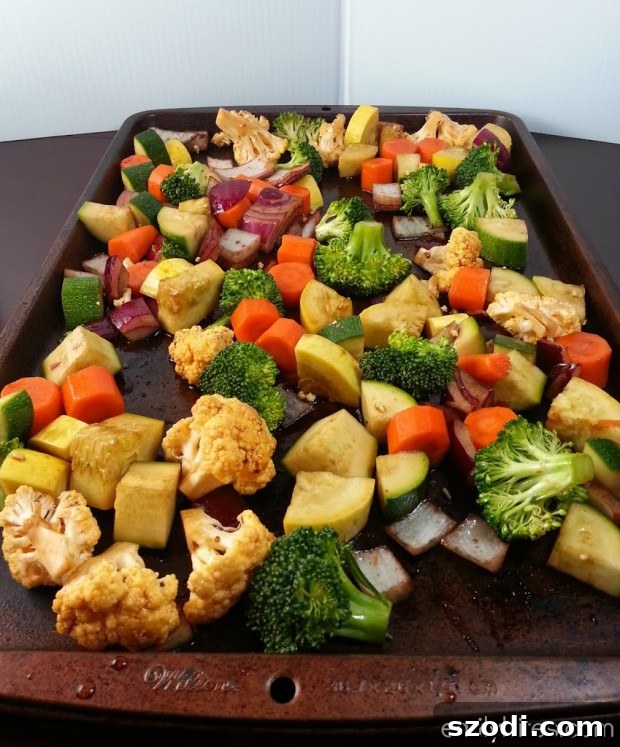
Pre-cooked vegetables, prepped and ready for roasting
The Magic of Balsamic Vinegar in Roasting
The addition of balsamic vinegar is not merely an afterthought in this recipe; it’s a star ingredient that plays a crucial role in developing the incredible depth of flavor. Here’s why balsamic vinegar and roasted vegetables are a match made in culinary heaven:
- Sweet and Tangy Balance: Balsamic vinegar offers a unique profile that is both sweet and tangy. When reduced by the heat of the oven, its sugars caramelize, intensifying its natural sweetness, which beautifully complements the inherent sweetness of the roasted vegetables. The acidity also cuts through the richness, preventing the dish from tasting overly heavy.
- Enhanced Caramelization: The sugars in balsamic vinegar actively contribute to the beautiful browning and caramelization process, creating those coveted crispy, slightly charred edges that are so characteristic of perfectly roasted vegetables.
- Aromatic Depth: Balsamic vinegar brings a rich, complex aroma that elevates the entire dish. Its nuanced notes add a gourmet touch, transforming everyday vegetables into a more sophisticated offering.
- Flavor Infusion: As the vegetables roast, they absorb the flavors of the balsamic vinegar and olive oil, ensuring every bite is infused with a harmonious blend of tastes.
- Healthy Boost: Balsamic vinegar, in moderation, is a low-calorie condiment that adds a significant flavor punch without piling on extra fat or sugar, aligning perfectly with healthy eating goals like those of Weight Watchers.
Choosing Your Perfect Vegetable Medley
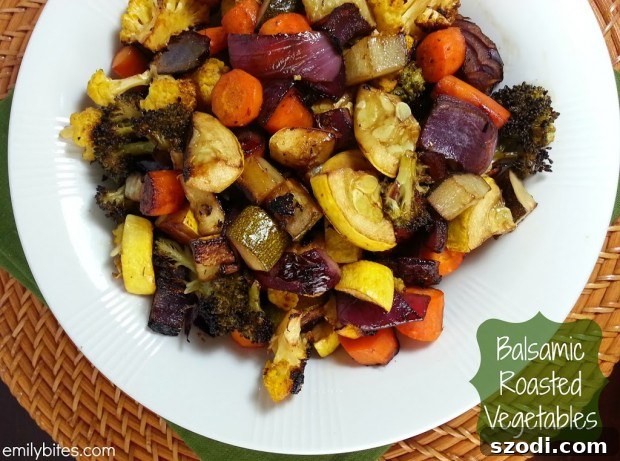
While the recipe below outlines a fantastic combination of broccoli, cauliflower, summer squash, zucchini, carrots, and red onion, the world of roasted vegetables is vast and inviting. Part of the joy of this dish is its adaptability. Here are some tips for choosing and preparing your ideal vegetable medley:
- Aim for Variety: A mix of colors, textures, and flavors not only makes your dish visually appealing but also ensures a wider range of nutrients. Think about combining hearty root vegetables with softer, quicker-cooking options.
- Seasonal Best: Whenever possible, opt for vegetables that are in season. They’ll be at their peak flavor, freshness, and often more affordable. In the fall, think squash and root vegetables. In summer, bell peppers, zucchini, and cherry tomatoes shine.
- Cut for Even Cooking: This is crucial for successful roasting. All vegetables should be cut into roughly uniform, bite-sized pieces. Denser vegetables (like carrots, potatoes, or sweet potatoes) may need to be cut smaller than softer ones (like zucchini or bell peppers) to ensure they cook at a similar rate. If some vegetables require longer cooking times, you can add them to the baking sheet 10-15 minutes before the quicker-cooking ones.
- Beyond the Recipe: Don’t hesitate to experiment!
- Root Vegetables: Potatoes (sweet or regular), parsnips, turnips, beets.
- Cruciferous: Brussels sprouts, cabbage wedges.
- Alliums: Shallots, pearl onions, garlic cloves (whole or sliced).
- Other Favorites: Bell peppers (any color), cherry tomatoes (add these halfway through cooking to prevent them from becoming too mushy), asparagus, mushrooms.
Recipe: Balsamic Roasted Vegetables
Balsamic Roasted Vegetables
These Balsamic Roasted Vegetables make a healthy and flavorful side dish that’s incredibly easy to prepare!
Prep Time: 15 mins
Cook Time: 25 mins
Total Time: 40 mins
Yield: 6 (2/3 cup) servings
Author: Emily Bites
Course: Side Dish
Cuisine: American
Print Recipe | Leave a Review | Pin Recipe
Ingredients
- 4 oz raw broccoli florets (from about 1 small head)
- 7 oz raw cauliflower florets (half of one large head)
- 8 oz raw yellow Summer squash, chopped (about 1 small-medium squash)
- 8 oz raw zucchini, chopped (about 1 small-medium zucchini)
- 7 oz raw carrots, chopped (about 3 medium-large carrots)
- 5.5 oz raw red onion, chopped large (about half a large red onion)
- 2 tablespoons extra virgin olive oil
- 2 tablespoons Balsamic vinegar
- Salt, to taste
Instructions
- Preheat Oven: Preheat your oven to 425 degrees Fahrenheit (220 degrees Celsius). Lightly mist a large baking sheet with cooking spray to prevent sticking, and set it aside.
- Prepare Vegetables: In a large mixing bowl, combine all the chopped vegetables: broccoli florets, cauliflower florets, yellow summer squash, zucchini, carrots, and red onion. Ensure they are well combined.
- Season and Toss: Drizzle the extra virgin olive oil and balsamic vinegar evenly over the vegetables. Sprinkle with your desired amount of salt. Using your hands or a large spoon, toss the vegetables thoroughly to ensure every piece is lightly coated with the oil, vinegar, and salt. This even coating is key for consistent flavor and caramelization.
- Roast: Pour the seasoned vegetables onto the prepared baking sheet. Spread them out in a single layer as much as possible, avoiding overcrowding the pan. If your baking sheet is too small, use two sheets to ensure proper roasting rather than steaming. Roast in the preheated oven for approximately 25 minutes, or until the vegetables are tender-crisp and beautifully caramelized around the edges. Keep an eye on them towards the end of cooking to prevent over-browning.
- Serve: Remove from the oven and serve immediately as a warm and flavorful side dish.
Notes for Success
- Don’t Overcrowd the Pan: This is perhaps the most important tip for perfect roasted vegetables. If the pan is too crowded, the vegetables will steam instead of roast, leading to a soggy texture rather than a caramelized one. Use two baking sheets if necessary, giving the vegetables plenty of space.
- Consistent Chopping: Ensure all vegetables are cut to a similar size to promote even cooking. Denser vegetables might need slightly smaller cuts.
- Season Generously: Don’t be shy with salt. It brings out the natural flavors of the vegetables. Consider adding a crack of black pepper or a pinch of dried herbs like oregano or thyme for extra aroma.
- Storage: Leftover roasted vegetables can be stored in an airtight container in the refrigerator for up to 3-4 days. Reheat gently in the oven or microwave.
Nutritional Information & Weight Watchers Details
This recipe is a fantastic choice for those monitoring their intake, offering a delicious way to incorporate more vegetables into your diet.
- Nutrition Information (per 2/3 cup serving, approximate):
89 calories, 11 g carbs, 2 g sugars, 6 g fat, 1 g saturated fat, 3 g protein, 4 g fiber (from myfitnesspal.com) - MyWW SmartPoints (per 2/3 cup serving, calculated using weightwatchers.com):
Green: 2 SmartPoints / Blue: 2 SmartPoints / Purple: 2 SmartPoints - Weight Watchers Points Plus (per serving, calculated using weightwatchers.com):
2 Points Plus* - To view your WW PersonalPoints for this recipe and track it in the WW app or site, click here!
Calories: 89 kcal
Perfect for Thanksgiving and Holiday Feasts
While these Balsamic Roasted Vegetables are simple enough for any weeknight, their vibrant colors and sophisticated flavors make them an exceptional choice for holiday gatherings, especially Thanksgiving. They offer a refreshing contrast to richer dishes, providing a healthy yet indulgent-tasting component to your festive spread. The ease of preparation also means you can minimize stress on a busy cooking day, freeing up oven space for other critical elements of your holiday meal.
Pairing Suggestions for Your Roasted Veggies
These versatile vegetables can complement a wide array of main courses:
- Grilled or Roasted Meats: Perfect with chicken, turkey, pork loin, or beef roast.
- Fish: A light and healthy accompaniment to baked salmon or pan-seared white fish.
- Pasta Dishes: Stir them into a simple pasta with garlic and olive oil for a quick meal.
- Grain Bowls: Add them to quinoa or farro bowls for a hearty and nutritious lunch.
- As a Main: For a light vegetarian meal, pair them with a dollop of hummus or a sprinkle of feta cheese.
Customizing Your Balsamic Roasted Vegetables
Part of the enduring appeal of this recipe is its incredible flexibility. Once you master the basic technique, you can endlessly customize it to suit your palate or whatever ingredients you have on hand. Here are some ideas to inspire your culinary creativity:
- Herb Power: Fresh herbs added towards the end of roasting or as a garnish can dramatically alter the flavor profile. Try rosemary, thyme, oregano, fresh parsley, or basil. Dried herbs can be tossed with the vegetables at the beginning.
- Spice It Up: A pinch of smoked paprika can add a beautiful depth and smoky flavor. Garlic powder, onion powder, or a dash of red pepper flakes for a subtle kick are also excellent additions.
- A Touch of Sweetness (Beyond Balsamic): For an even deeper caramelization and a hint of extra sweetness, a teaspoon of maple syrup or honey can be drizzled over the vegetables along with the balsamic vinegar. Be mindful that these sugars can brown quickly, so monitor closely.
- Cheesy Finish: A sprinkle of grated Parmesan cheese during the last few minutes of roasting, or immediately after, adds a savory, umami-rich layer.
- Nutty Crunch: Toasted nuts like pecans or walnuts can provide a delightful textural contrast. Add them in the last 5-10 minutes of roasting or sprinkle them on top just before serving.
- Protein Boost: Turn this side dish into a more substantial meal by adding a protein. Chickpeas (canned, rinsed, and dried thoroughly) or cubes of firm tofu can be roasted alongside the vegetables. For non-vegetarian options, pre-cooked sausage or even chicken pieces can be added.
- Different Vinegars: While balsamic is king here, feel free to experiment with other vinegars like red wine vinegar or apple cider vinegar for a different tangy profile. Just be aware that they might not offer the same level of sweetness or caramelization.
With these variations, you can create a unique roasted vegetable dish every time, ensuring that this healthy side never becomes boring.
Conclusion: Embrace the Simplicity and Flavor
Balsamic Roasted Vegetables embody everything you could want in a side dish: they’re incredibly flavorful, wonderfully healthy, remarkably easy to prepare, and endlessly adaptable. Whether you’re a seasoned chef or a kitchen novice, this recipe provides a foolproof way to bring vibrant, nutrient-packed goodness to your table.
The next time you’re wondering how to make vegetables the star of your meal, reach for this recipe. You’ll be amazed at how a few simple ingredients and a hot oven can transform everyday produce into a truly extraordinary culinary experience. Enjoy the delightful aromas filling your kitchen and savor every bite of these perfectly caramelized, sweet, and tangy roasted veggies!
Did you make this recipe?
Please leave a star rating and review below to share your experience!